
 Image 1 of 6
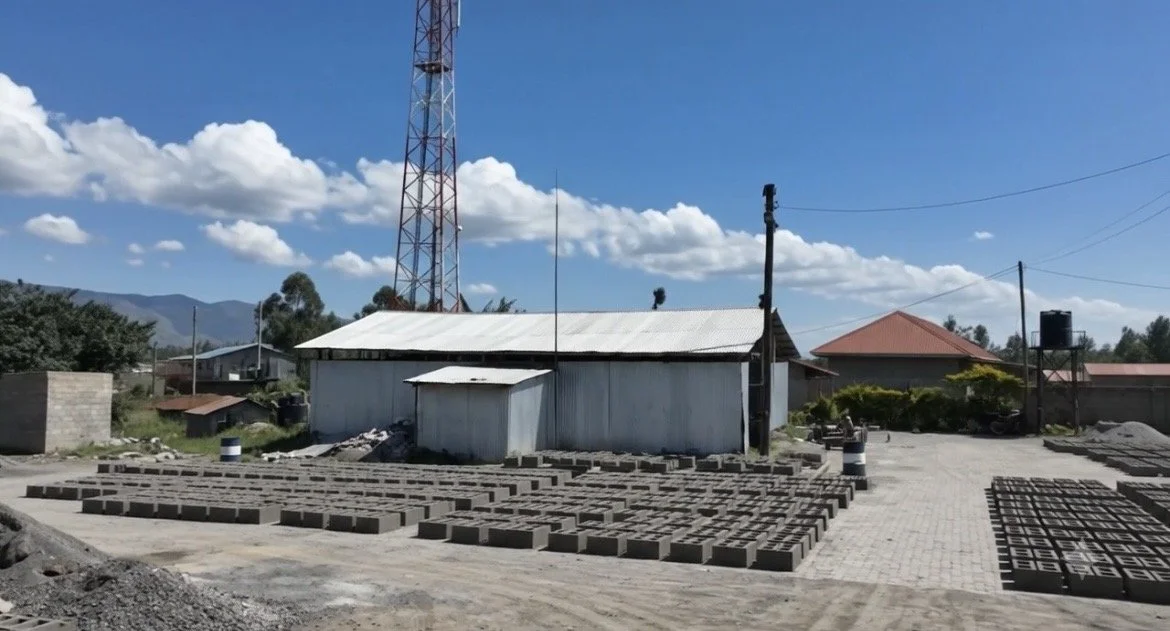 Image 2 of 6
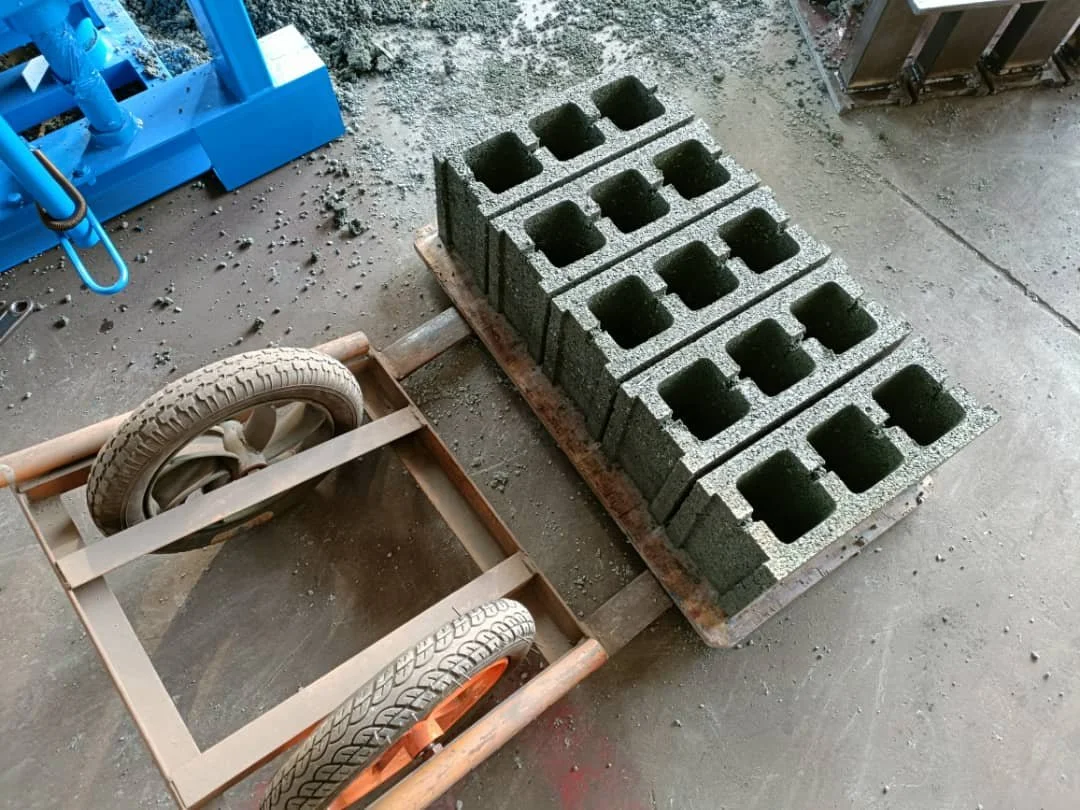 Image 3 of 6
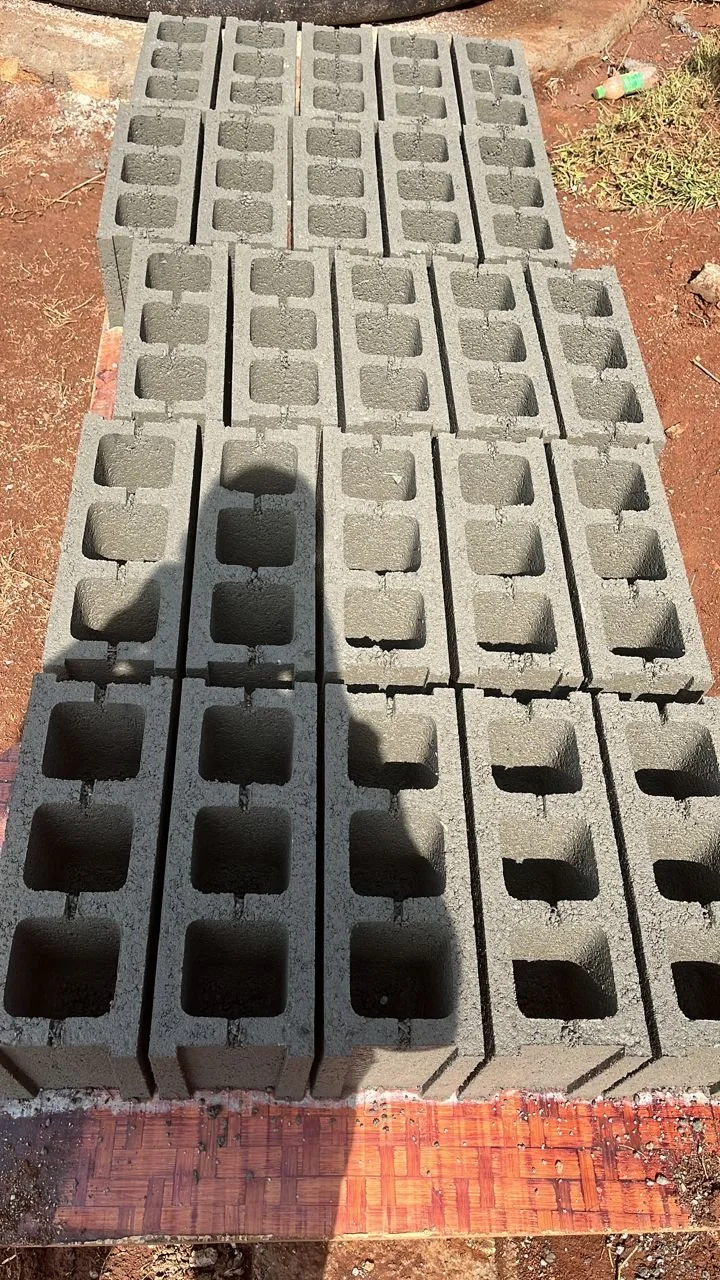 Image 4 of 6
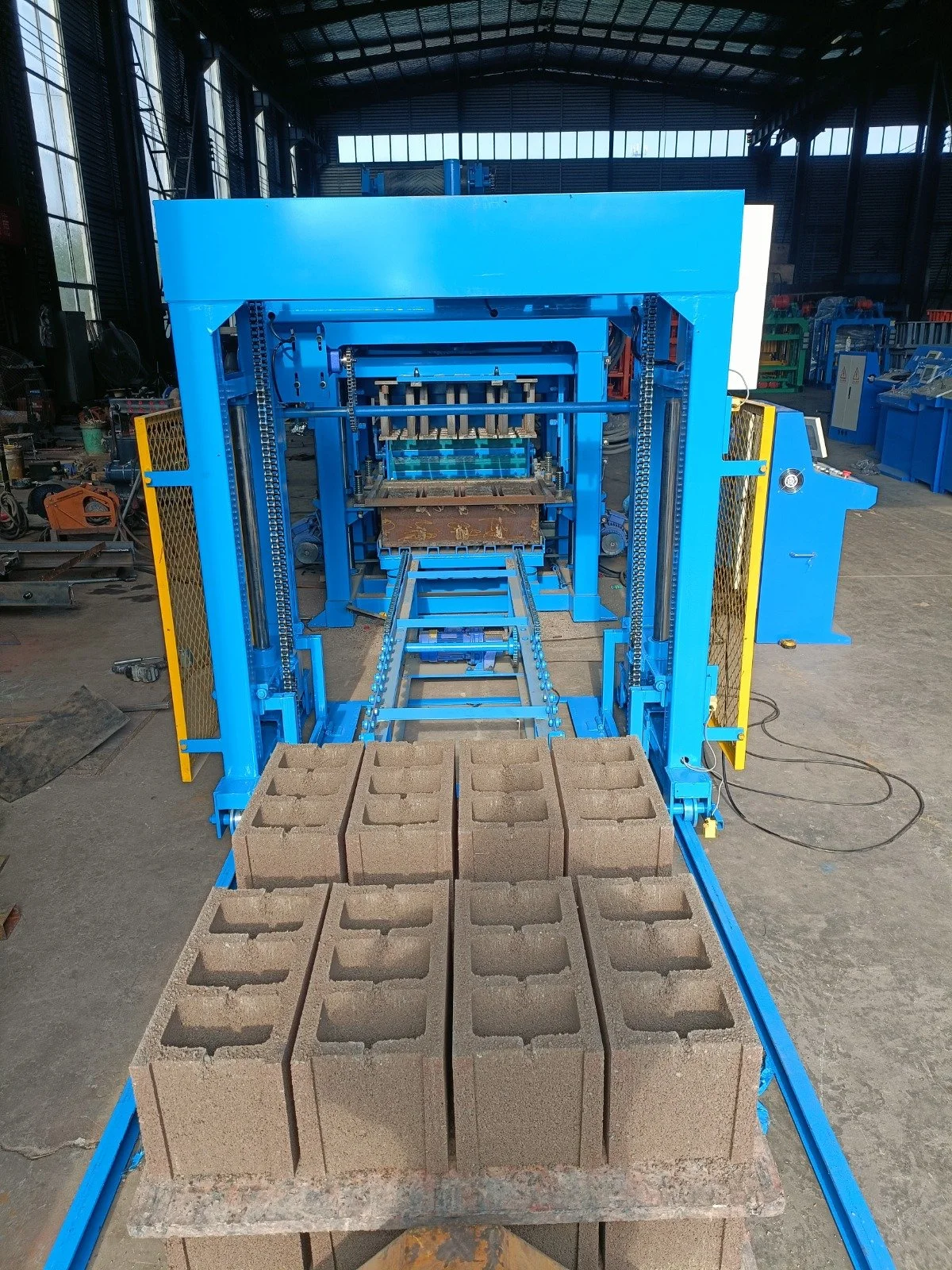 Image 5 of 6
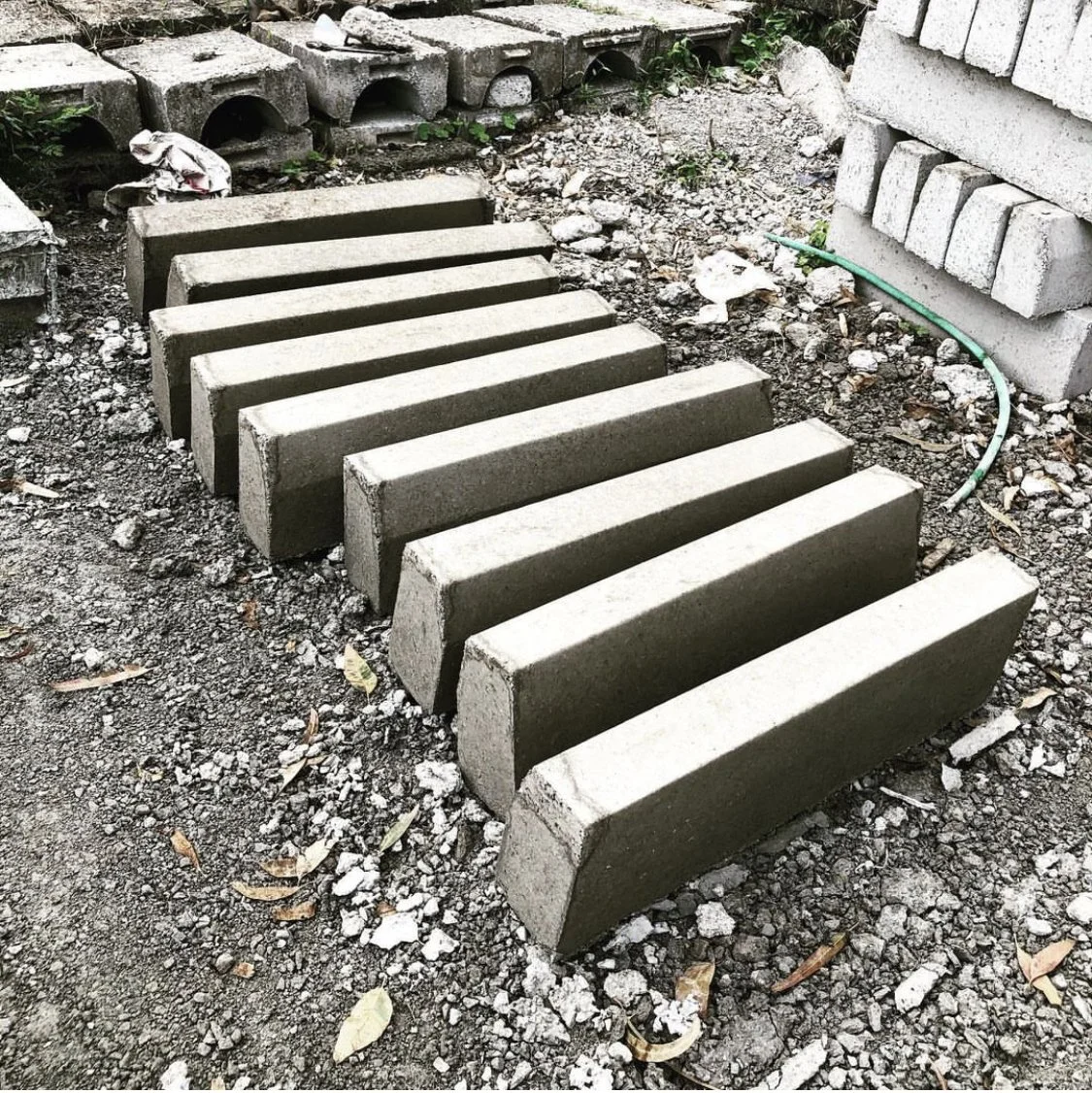 Image 6 of 6
Description:
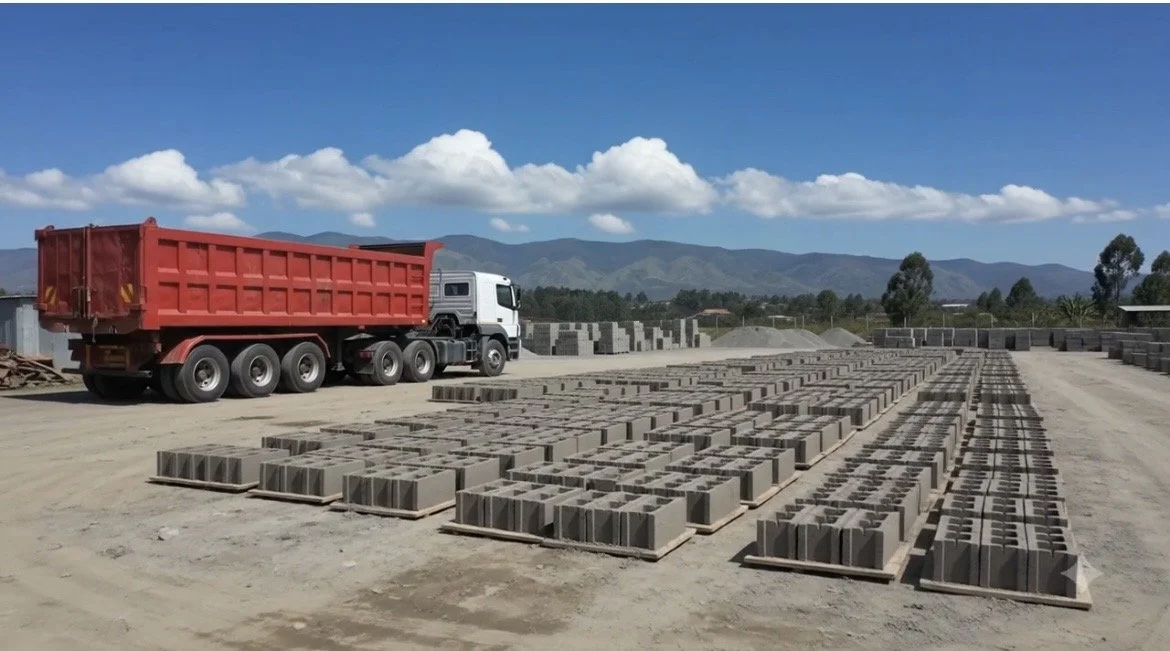
Material: Primarily composed of concrete, offering inherent strength, durability, and fire resistance.
Shape and Size: Typically rectangular prisms with consistent modular dimensions. Common nominal thicknesses in the Uganda are 4, 6, 8, and 9 inches, with a standard length of 16 inches and a height of 8 inches. Actual dimensions are slightly smaller (by about 3/8 inch) to accommodate mortar joints. I
Core Configuration: Most concrete blocks have hollow cores (typically two or three) running vertically. These cores serve several purposes:
Reduced Weight: Making the blocks easier to handle.
Improved Insulation: Creating air pockets for thermal resistance.
Reinforcement: Providing channels to insert steel reinforcing bars and grout for increased structural strength, especially against lateral forces.
Conduit Space: Allowing for the running of electrical wiring and plumbing within walls.
Surface Texture: Can range from smooth to textured. Special finishes like split-face (resembling natural stone) or ribbed surfaces are available for aesthetic purposes.
Specialty Blocks: Various specialized shapes exist for specific construction needs, including:
U-shaped (Lintel) Blocks: For creating bond beams or lintels over openings.
Jamb Blocks: With channels for securing door frames.
Bullnose Blocks: With rounded corners for a softer appearance.
Corner Blocks: Designed for clean 90-degree corners.
Partition Blocks: Lightweight blocks for non-load-bearing interior walls.
Paving Blocks: Solid blocks used for creating walkways, patios, and driveways.
Showcase of Concrete Blocks and Their Applications:
Here are some concrete examples of how concrete blocks are used in construction and other applications:
Load-Bearing Walls:
Description: Standard hollow or solid concrete blocks stacked with mortar, often reinforced with steel and grout in the cores, form the structural walls of buildings.
Showcase: The exterior and interior walls of many residential, commercial, and industrial buildings are constructed using concrete blocks. Their strength can support significant vertical loads.
Foundation Walls:
Description: Concrete blocks are a common choice for building basement and crawl space walls due to their strength and resistance to moisture.
Showcase: The perimeter walls of a house below ground level, providing a stable base for the structure.
Partition Walls:
Description: Lighter-weight hollow or solid blocks are used to create interior walls that divide spaces within a building.
Showcase: Walls separating rooms in an office building or dividing apartments.
Retaining Walls:
Description: Interlocking or standard concrete blocks can be used to build walls that hold back soil on sloped terrain, preventing erosion.
Showcase: Walls along a landscape to create different elevation levels or support a raised garden bed.
Sound Barriers:
Description: The density of concrete blocks makes them effective at reducing noise transmission.
Showcase: Walls along highways or between properties to minimize noise pollution.
Firewalls:
Description: Concrete is inherently fire-resistant, making concrete block walls suitable for fire separation within buildings.
Showcase: Walls separating different units in an apartment building or enclosing stairwells for fire safety.
Paving and Landscaping:
Description: Solid concrete paving blocks in various shapes, sizes, and colors are used for walkways, patios, driveways, and decorative landscaping features like planters and steps.
Showcase: A paved walkway in a garden or a patio made with interlocking concrete pavers.
Temporary Structures and Barriers:
Description: Large, interlocking concrete blocks are often used for temporary barriers, roadblocks, or material storage bays at construction sites or events.
Showcase: Barriers protecting a construction zone or separating different types of materials at a recycling facility.
Architectural Features:
Description: Split-face, decorative, or colored concrete blocks can be used to create visually appealing exterior or interior walls.
Showcase: The textured facade of a modern building or a decorative accent wall inside a commercial space.
Industrial Applications:
Description: Concrete blocks are used for constructing storage bunkers, containment walls, and other robust structures in industrial facilities.
Showcase: Walls surrounding a storage area for bulk materials at a manufacturing plant.