
 Image 1 of 9
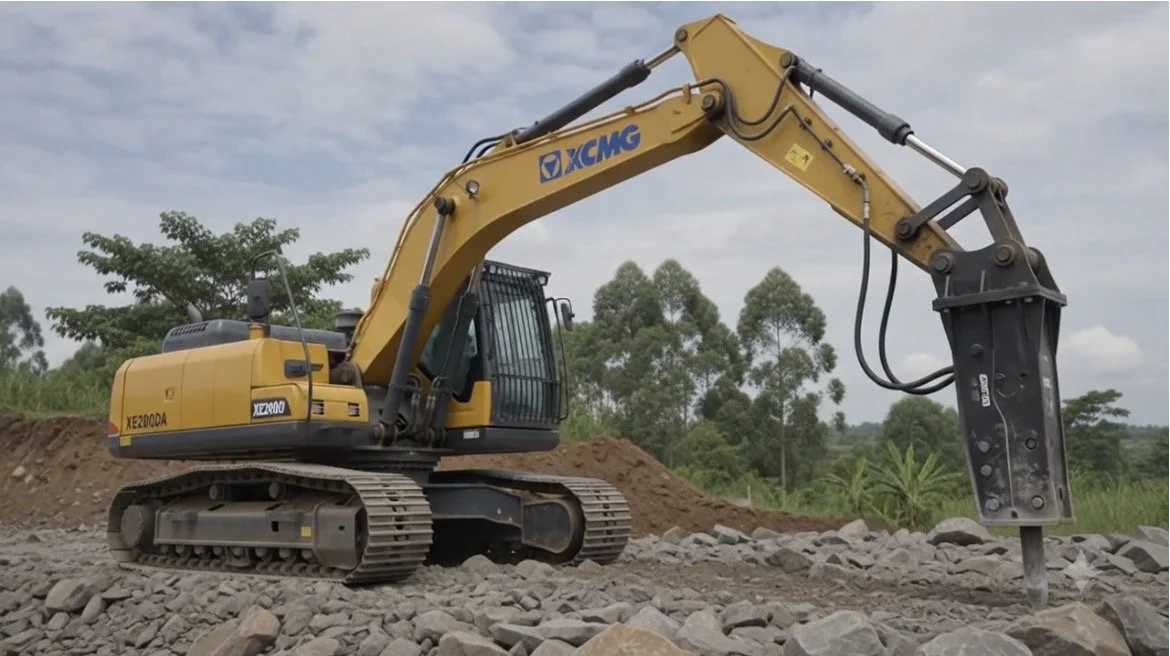 Image 2 of 9
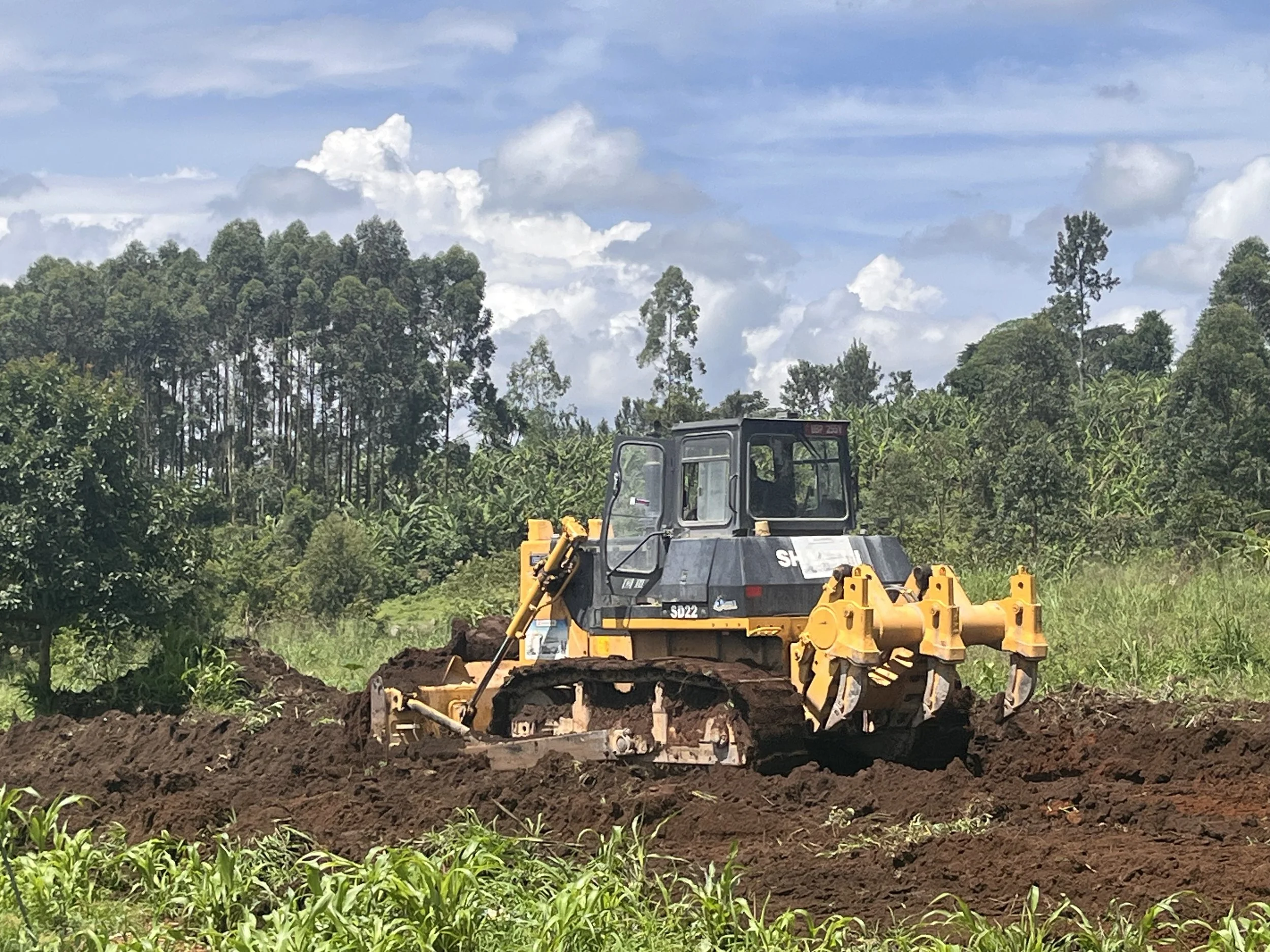 Image 3 of 9
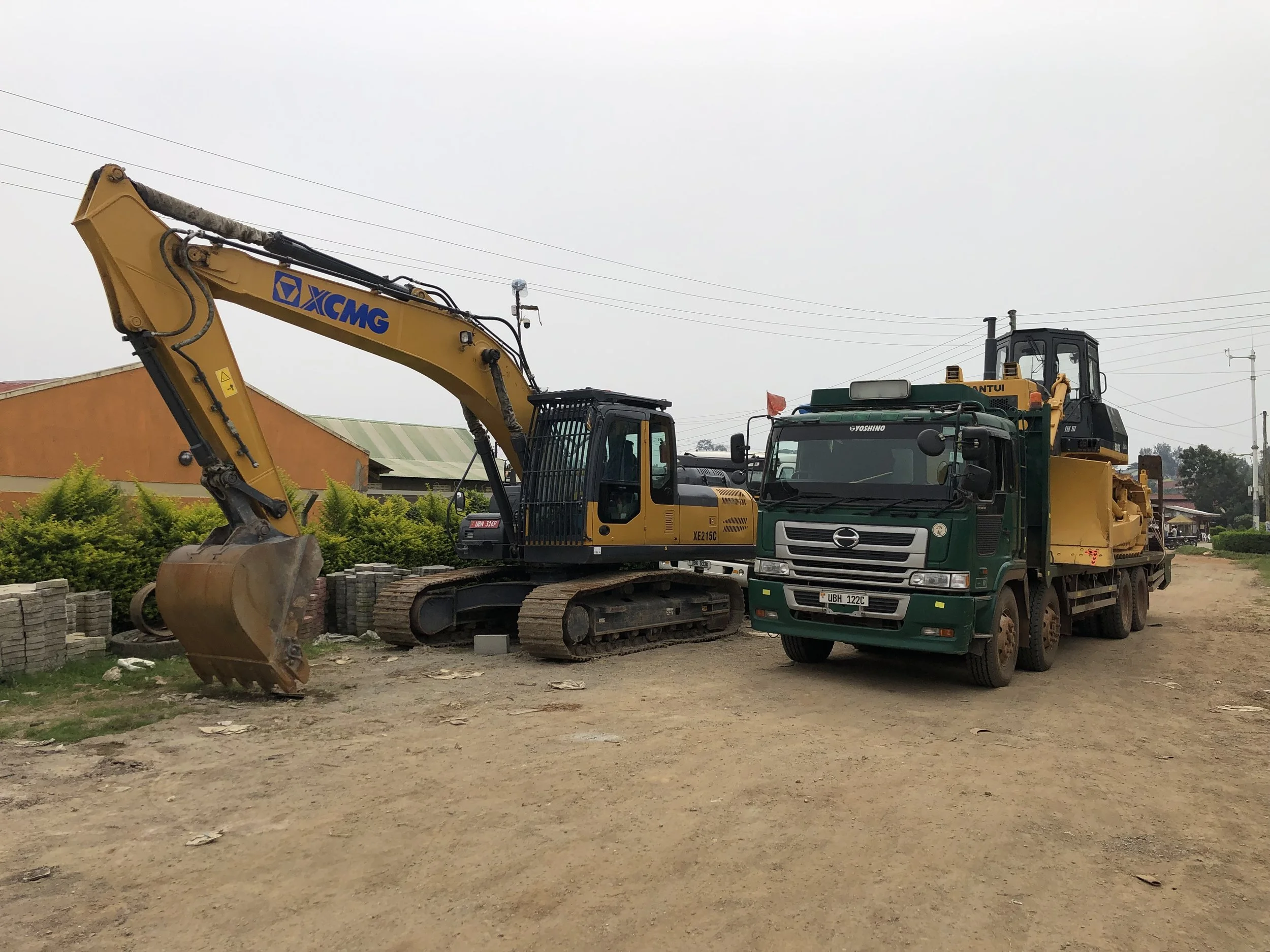 Image 4 of 9
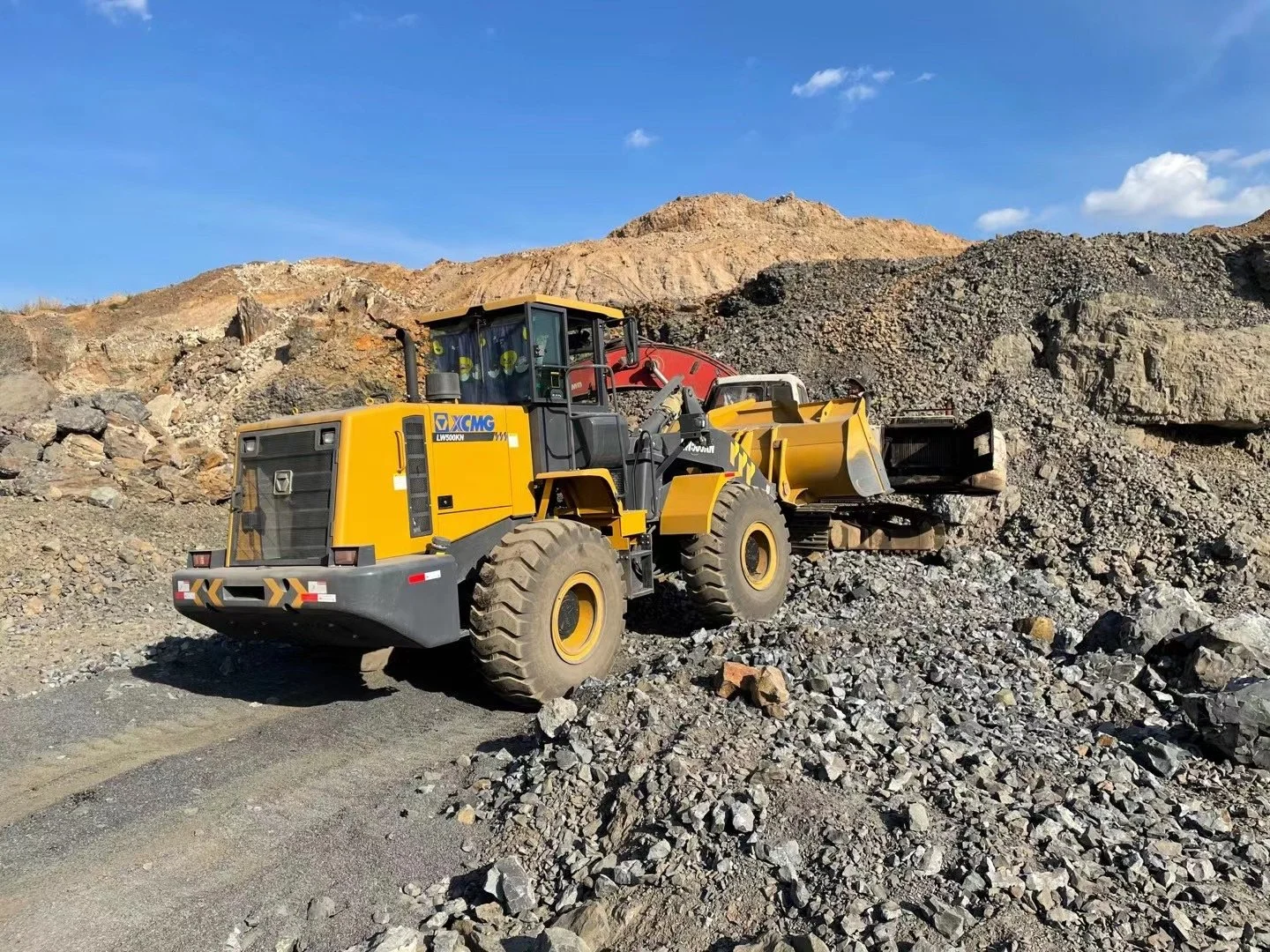 Image 5 of 9
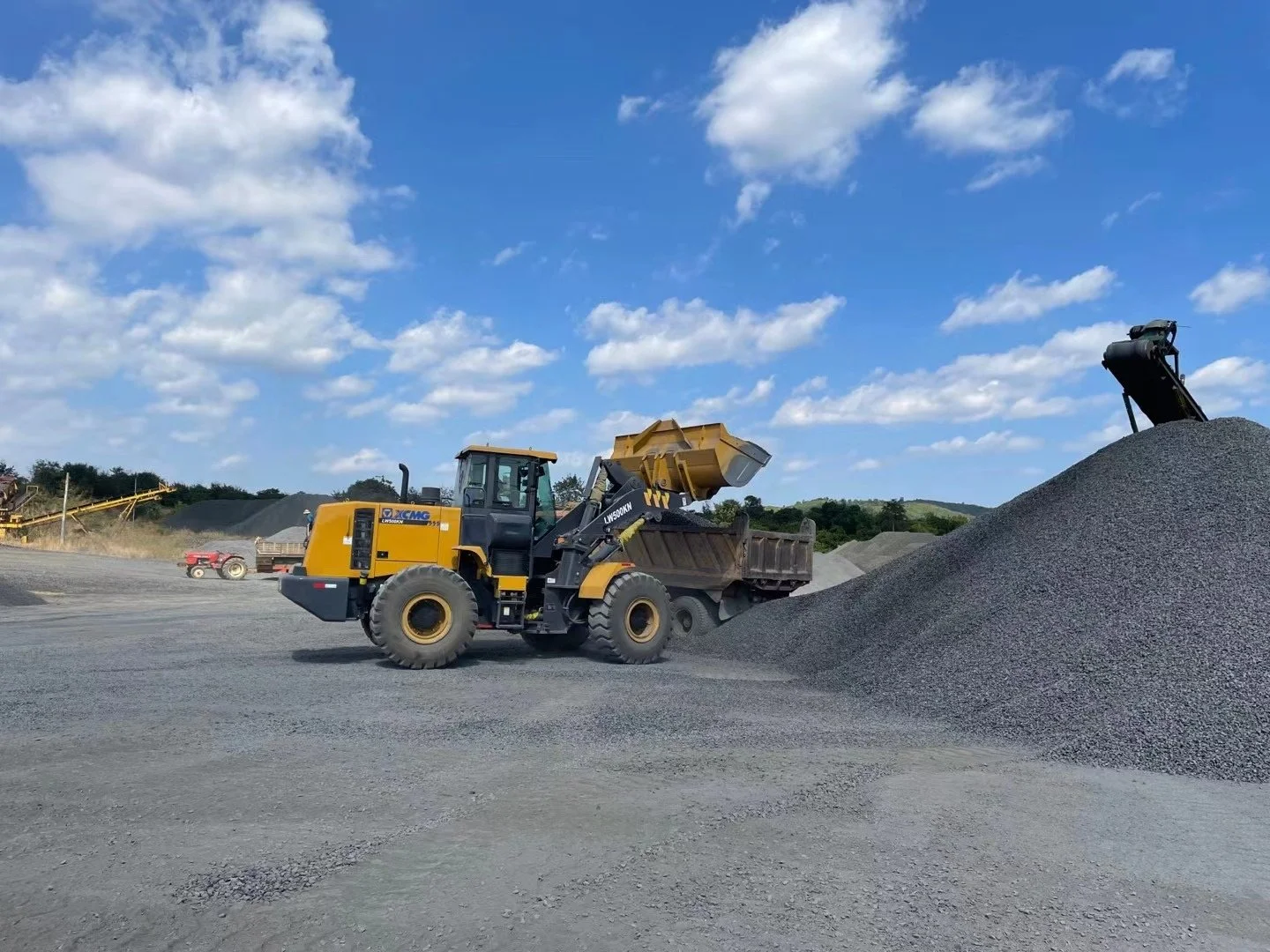 Image 6 of 9
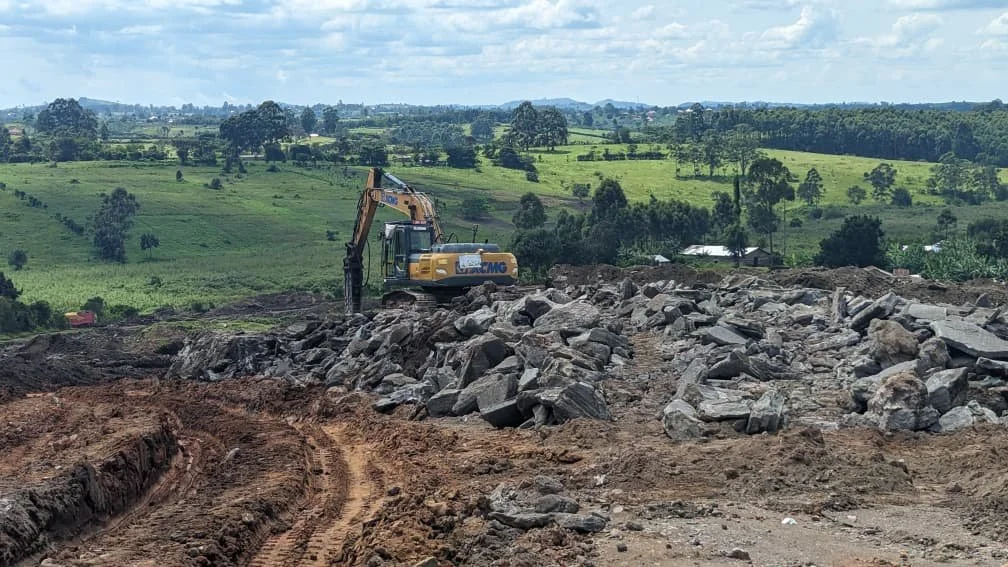 Image 7 of 9
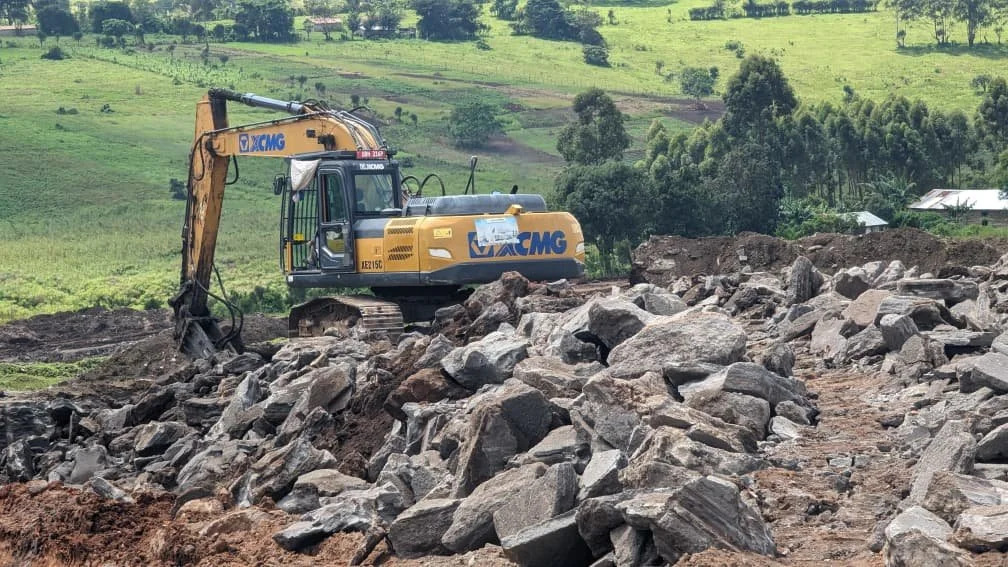 Image 8 of 9
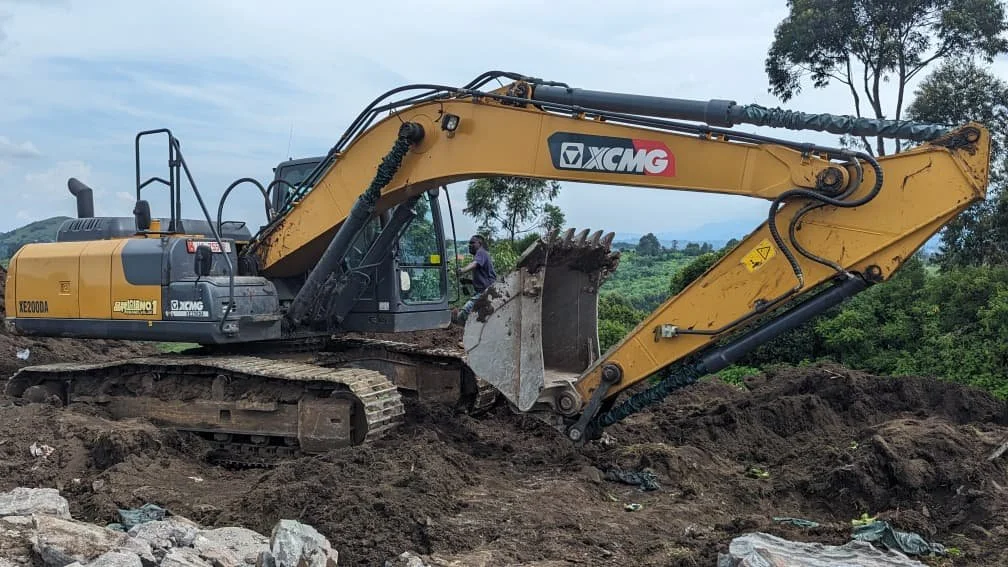 Image 9 of 9
Here are some of the most common types of earthmoving machines and their primary uses:
Excavators:
Description: Feature a boom, stick, and bucket, and are mounted on a rotating platform (house) with either tracks or wheels.
Showcase: Used for digging trenches, excavating foundations, lifting heavy materials, demolition, and even forestry work with specialized attachments.
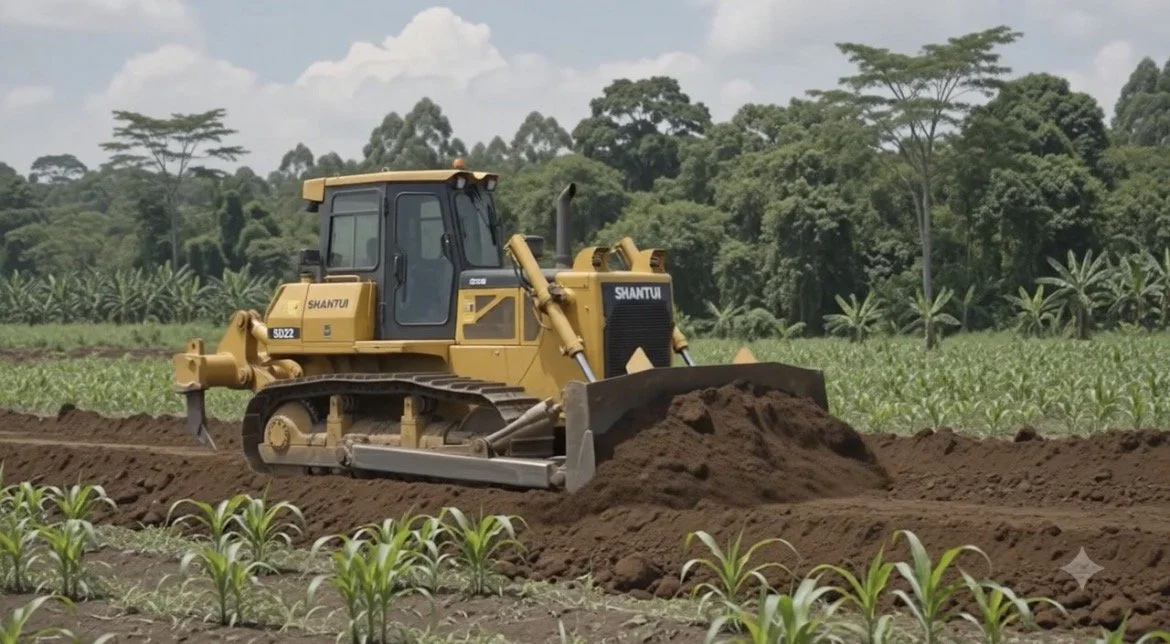
Bulldozers:
Description: Powerful tracked machines with a large front-mounted blade for pushing soil, rock, and debris. Some have a rear-mounted ripper to break up hard ground.
Showcase: Used for clearing land, grading, leveling, and creating access roads on construction sites.
Loaders (Wheel Loaders & Track Loaders):
Description: Have a large bucket at the front for scooping and lifting materials. Wheel loaders are faster on even surfaces, while track loaders offer better traction on rough terrain.
Showcase: Used for loading materials into dump trucks, stockpiling, and moving materials around a site.
Dump Trucks (Rigid & Articulated):
Description: Heavy trucks designed for transporting large quantities of materials. Articulated dump trucks are better suited for rough terrain.
Showcase: Used to haul soil, gravel, rock, and other materials to and from construction sites, quarries, and mines.
Graders (Motor Graders):
Description: Feature a long, adjustable blade used to create smooth, level surfaces.
Showcase: Primarily used for road construction and maintenance, as well as for preparing foundations and other flat areas.